
Many people deal with skin irritation around the gluteal cleft, commonly known as a Crack Buttock. This area is warm and moist, which makes it a perfect spot for minor skin issues. While it can be annoying, most cases are easy to manage at home with simple care. Staying active is great, but sweating can sometimes cause friction or chafing in this sensitive area. Understanding why this happens is the first step toward feeling better and keeping your skin healthy every single day.
What Causes Skin Irritation?
The skin in the gluteal fold is very delicate. When you move, walk, or exercise, this area experiences a lot of friction. If you wear tight clothing or fabrics that do not breathe well, moisture gets trapped against the skin. This trapped moisture often leads to chafing, which feels like a burning or stinging sensation. It is very common for athletes or people who spend long hours sitting to notice this discomfort. Keeping the area dry is the best way to prevent these issues from starting in the first place.
How to Keep the Area Clean
Hygiene is the most important part of managing a crack buttock issue. You should wash the area gently with mild, fragrance-free soap and warm water. Avoid scrubbing too hard, as this can irritate the skin even more. After washing, make sure to pat the skin completely dry with a soft towel. Do not rub the area, as rubbing causes more friction. If you are on the go, using gentle, alcohol-free wipes can help you stay clean until you can get home for a proper shower.
Why Moisture Is the Enemy
Bacteria and fungi love warm, damp environments. When sweat sits in the gluteal cleft, it creates the perfect home for these germs. This is often why people experience itching or redness in the area. To combat this, try to change out of sweaty gym clothes immediately after a workout. If you are prone to sweating, wearing moisture-wicking underwear can make a huge difference. By drawing moisture away from your body, these fabrics keep your skin dry and much happier throughout the day.
Choosing the Right Underwear
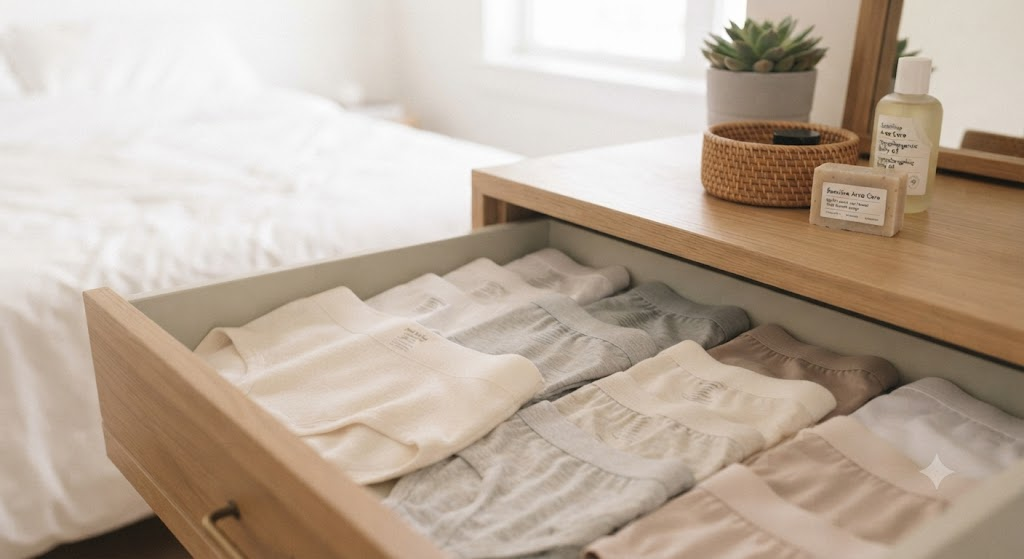
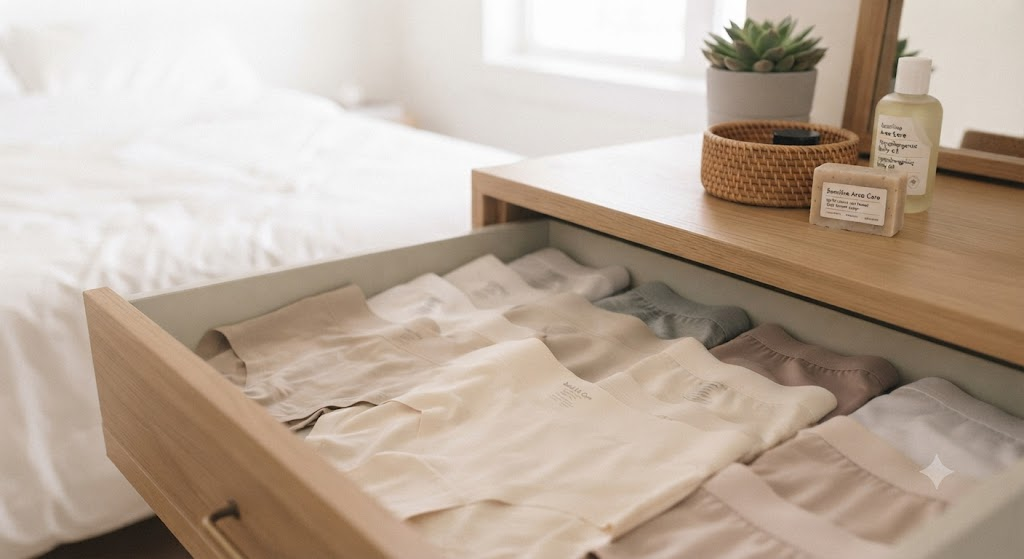
Your choice of underwear plays a massive role in your skin health. Cotton is often the best choice because it is soft, breathable, and natural. Synthetic fabrics can sometimes trap heat and sweat, which worsens a crack buttock irritation. Make sure your underwear fits well and is not too tight or too loose. If you find that your current underwear causes rubbing during your daily activities, it might be time to switch to a seamless style. Small changes in your clothing can lead to big improvements in comfort.
Natural Ways to Find Relief
If you are currently dealing with discomfort, there are several gentle ways to soothe your skin. Applying a light layer of petroleum jelly or a zinc oxide cream can act as a barrier. This barrier prevents friction from clothing and protects your skin from further irritation. Aloe vera gel is another wonderful, natural option that cools the skin and helps with redness. Always test a small patch of skin first to make sure the product does not cause any reaction. Simple, soothing ingredients often work the best.
When to See a Doctor
Most of the time, skin irritation goes away on its own with good care. However, sometimes you might need a professional opinion. If you notice signs of an infection, such as yellow crusting, foul odors, or swelling, please visit a doctor. Severe pain or a rash that does not go away after a week also warrants a trip to the clinic. Doctors can check for things like fungal infections or dermatitis and provide the right medicine. It is always better to be safe and get the help you need.
The Role of Diet and Hydration
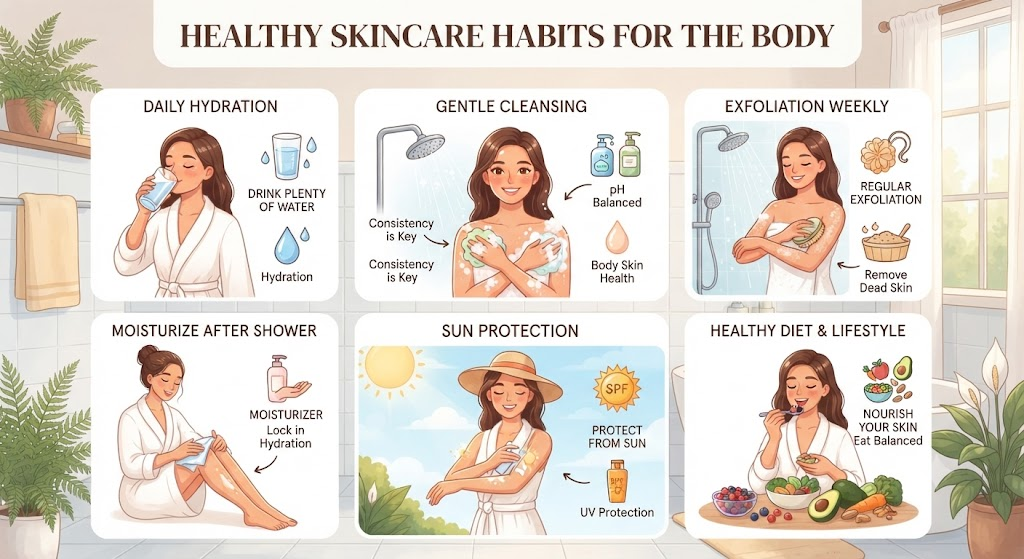
Believe it or not, your diet can impact your skin. Drinking plenty of water keeps your skin hydrated and healthy from the inside out. Eating a balanced diet with lots of vitamins helps your body heal itself more quickly if you do have a minor injury. Some people find that reducing very sugary foods helps their skin stay clearer overall. While this might not directly cure a crack buttock, a healthy body is much better at fighting off minor skin irritations and keeping you comfortable.
Staying Active Safely
As an active person, I know how important it is to keep moving without distraction. If you love running or cycling, you know that friction is a constant challenge. Using a specialized anti-chafe balm before your workout can be a total game-changer. These balms create a slick surface that stops your skin from rubbing against itself. I have found that staying consistent with this habit allows me to focus on my performance instead of feeling uncomfortable. It is a simple tool for any athlete.
Preventing Future Issues
Prevention is much easier than treatment. Develop a routine that prioritizes skin health, especially after exercise. Always keep a spare set of clean clothes in your bag so you never have to sit in damp gear. If you have sensitive skin, avoid scented body washes that might cause stinging. Consistency is the secret ingredient here. By treating your skin with kindness and keeping the area dry, you can avoid the frustration of a crack buttock entirely. Your body will definitely thank you for the extra attention.
Long-Term Skin Care Habits
Healthy skin is a lifetime commitment. Take a few extra seconds during your daily shower to make sure the gluteal area is thoroughly dried. This simple habit prevents the buildup of moisture that causes a crack buttock. If you notice your skin feels dry, using a light, non-comedogenic lotion can help maintain your skin’s natural barrier. Avoid harsh chemicals or scrubs that might strip away healthy oils. With these steady habits, you will notice fewer issues and much better skin comfort as you go about your busy, active life.
Frequently Asked Questions
1. What is the fastest way to soothe a crack buttock?
Keeping the area clean, dry, and applying a protective barrier cream like zinc oxide is the fastest way to find relief.
2. Can tight pants cause this irritation?
Yes, tight clothing increases friction and traps sweat against the skin, which is a leading cause of gluteal irritation.
3. Should I use powder to keep the area dry?
Cornstarch-based powders can help absorb moisture, but be careful as they can sometimes clump and cause more friction.
4. Is this a sign of something serious?
Usually, it is just simple skin irritation, but see a doctor if you see pus, smell an odor, or have a fever.
5. How often should I wash the area?
Daily washing is usually enough. Just make sure to wash gently and dry the area completely afterward.
6. Can diet affect skin sensitivity?
Staying hydrated and eating a balanced diet helps your skin remain resilient, making it less prone to irritation.
Comparison Table: Managing Skin Irritation
| Feature | Good Practice | What to Avoid |
| Cleaning | Use mild, fragrance-free soap | Harsh, scented body washes |
| Drying | Pat gently with a soft towel | Vigorous rubbing |
| Clothing | Breathable cotton underwear | Tight, synthetic fabrics |
| Protection | Zinc oxide or barrier creams | Heavy, thick, or waxy ointments |
| Post-Workout | Change into dry clothes immediately | Sitting in sweaty gym gear |
Conclusion
Take control of your comfort today! Start by choosing breathable fabrics and keeping your skin dry, and you will feel the difference immediately. Do you have a favorite anti-chafe tip that works for your active lifestyle? Share your thoughts below and help others stay comfortable!